
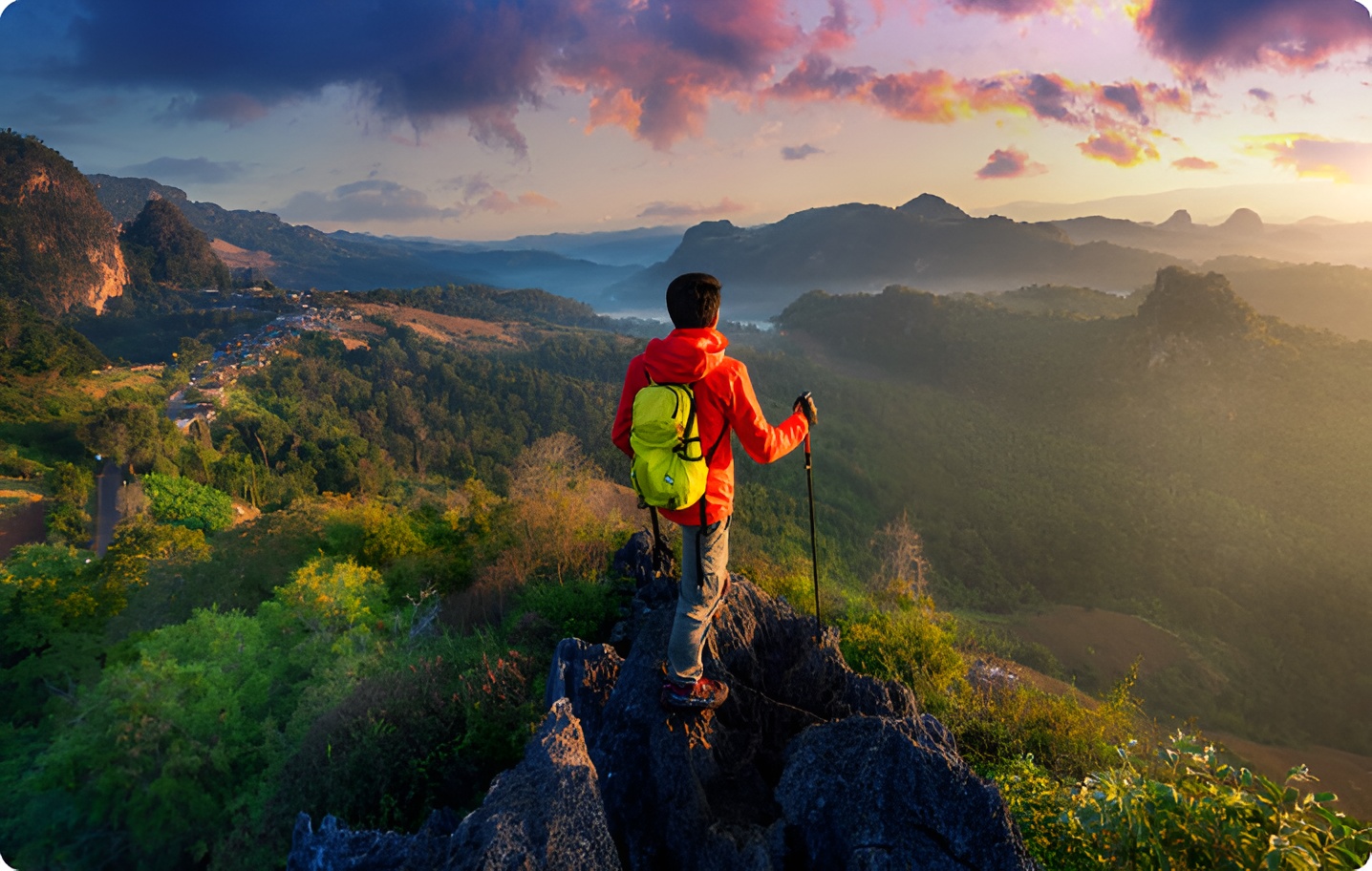
What you carry can make or break your trek. We break down essentials, nice-to-haves, and things you should absolutely leave at home.
A successful Himalayan trek depends as much on preparation as it does on fitness. Carrying the right gear can mean the difference between an enjoyable adventure and a miserable one, especially when weather conditions can change rapidly at altitude.
Start with layering. A good base layer wicks away moisture, an insulating mid-layer like a fleece or down jacket retains body heat, and a waterproof, windproof outer shell protects against the elements. Avoid cotton clothing, which retains moisture and can leave you cold and damp.
Footwear is non-negotiable — invest in a pair of broken-in, ankle-supporting trekking shoes with good grip. Pair these with moisture-wicking socks, and carry an extra pair in case the first gets wet from stream crossings or rain.
Other essentials include a well-fitted backpack with a rain cover, a headlamp with spare batteries, trekking poles for steep descents, a reusable water bottle or hydration bladder, sunscreen, lip balm, and sunglasses to protect against intense UV exposure at altitude.
Finally, don't forget the small but crucial items: a basic first-aid kit, any personal medication, a power bank, and high-energy snacks like nuts, dried fruits, and energy bars. Packing light but smart ensures you can fully enjoy the trail without being weighed down.

Written by
Karan Mehta
A passionate traveler and writer sharing authentic stories from across India with Troova's community.